

Choosing the right outfit for every occasion is confusing for many women. There are many styles, many designs and many trends. Stores and online platforms show endless options. This makes it hard to decide what to wear, what to avoid and what works best for each event.
Let us help you understand how to choose outfits for work, casual days, family events, formal events and special occasions. With simple steps and clear planning, you can dress with ease and confidence every day.
Understanding why choosing the right outfit for every occasion is so difficult ? Many women face the same problem. The wardrobe may look full, but the right dress is still not available . Sometimes clothes do not match the occasion. Some feel good at home but not outside. Some feel too simple or too heavy for certain functions. Many clothes also remain unused because they do not fit the occasion.
There are several reasons for this:
- Too many choices
- Latest trends
- No clear idea of what suits the event
- Clothes bought without planning
- Confusion between comfort, style and suitability
This leads to stress while getting ready. It also leads to useless buying and an unorganised wardrobe.
To solve this problem, you need a simple method to choose the right outfit for every event.
1. Know the purpose of the event
Before you decide what to wear, ask yourself a simple question:
What is the purpose of the event?
This helps you understand the tone and expectations.
Common purposes include:
- Work
- Casual outing
- Family gathering
- Festival
- Formal event
- Party
- Travelling
Each purpose has its own clothing needs. When you understand the purpose, you choose correctly.
2. Think about comfort and movement
Clothing should support your movement. You should be able to sit, walk, and carry out your activities without struggle.
When picking an outfit, check:
- Can you walk freely?
- Can you sit without discomfort?
- Can you move your arms easily?
- Is the outfit good for the weather?
If the outfit does not support your movement, it will distract you throughout the event.
3. Match the outfit with the location
The place of the event affects your clothing choice.
Examples:
- Office — needs neat and simple outfits like shirts, pants, kurtas or work dresses.
- Home gathering — needs relaxed clothing like simple dresses, kurtas, tees and skirts.
- Restaurant — needs clean and balanced outfits like tops with pants, dresses or simple ethnic wear.
- Outdoor event — needs comfortable clothing that allows movement.
- Temple or religious place — needs covered and modest clothing like kurtas, sarees or long dresses.
Understanding the location helps you choose a suitable outfit without confusion.
4. Choose outfits based on time of day
Different times of the day need different types of clothing.
- Morning events — light and simple outfits
- Afternoon events — balanced and comfortable outfits
- Evening events — slightly dressier options
- Night events — clean and presentable outfits
You do not need fancy clothes for this. Just choose clothing that looks appropriate for the time.
5. Understand the level of formality
Each event has a certain level of formality.
Three simple levels:
Casual
For markets, home visits, short outings, travel, daily routines.
Good options:
- Tees
- Shorts
- Leggings
- Denim
- Simple dresses
- Kurtas
Semi-formal
For restaurants, work visits, small gatherings.
Good options:
- Shirts
- Straight pants
- Kurtas
- Skirt and top
- Simple ethnic sets
Formal
For meetings, weddings, ceremonies, official events.
Good options:
- Sarees
- Suits
- Formal dresses
- Blazers
- Well-structured outfits
Choosing based on formality avoids over-dressing or under-dressing.
6. Use a simple color plan
You do not need bright or fancy colors. Simple, basic colors help you stay ready for any occasion.
Good color choices include:
- Black
- White
- Beige
- Grey
- Navy
- Brown
- Light pastels
- Earth tones
These colors match easily with many pieces and look suitable for most events.
7. Build a base wardrobe that supports all occasions
A base wardrobe helps you dress quickly. You do not need many clothes. You only need the right ones.
Key pieces include:
- Solid tops
- Basic tees
- Shirts
- Straight pants
- Denim
- Leggings
- Kurtas
- Simple dresses
- Saree (optional)
- Blazer
- Jacket or shrug
- Cardigan
- Work footwear
- Casual footwear
- Occasion footwear
- Everyday bag
- Work bag
- Occasion bag
- Scarves or dupattas
- Innerwear essentials
These pieces help you mix and match outfits for many events without extra shopping.
8. Match outfits with accessories in a simple way
Accessories do not need to be fancy. A few basic items are enough.
Useful accessories include:
- Watch
- Simple chain
- Stud earrings
- Bracelet
- Scarf
- Belt
- Small clutch or potli for events
- Basic hair clips or band
Use accessories to complete the look, not to overwhelm it.
9. Choose clothing based on your activity level
For example:
- If you will walk a lot — choose flat footwear.
- If you will sit for long — choose comfortable bottoms.
- If you will take part in rituals — choose clothing that allows bending.
- If you will work all day — choose breathable fabric and simple outfits.
Activity-based dressing reduces discomfort and helps you stay relaxed.
10. Keep a few go-to outfits ready
Some events come without notice. To avoid stress, keep 3–4 ready outfits:
- One casual outfit
- One work outfit
- One ethnic outfit
- One formal outfit
These help you prepare quickly whenever needed.
Choosing the Right Outfit for Every occasion
1. For Work
Choose shirts, straight pants, kurtas or work dresses.
Avoid heavy designs.
Carry a work bag and closed footwear.

2. For Casual Outings
Choose tees, denim, leggings or simple dresses.
Carry a small bag.
Use comfortable footwear.

3. For Family Gatherings
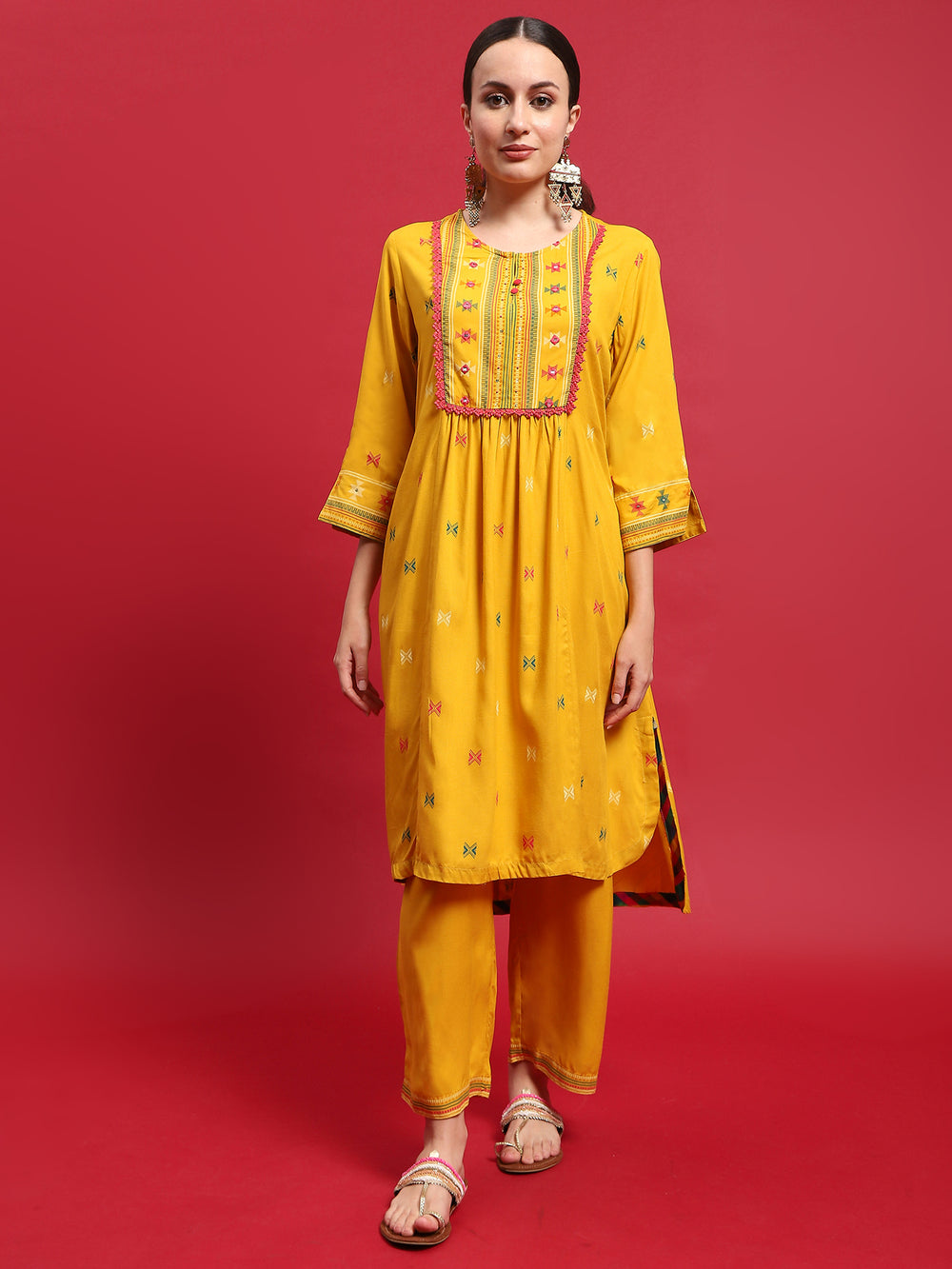
Choose kurtas, suits or simple ethnic sets.
Add a dupatta if needed.
4.For Festivals
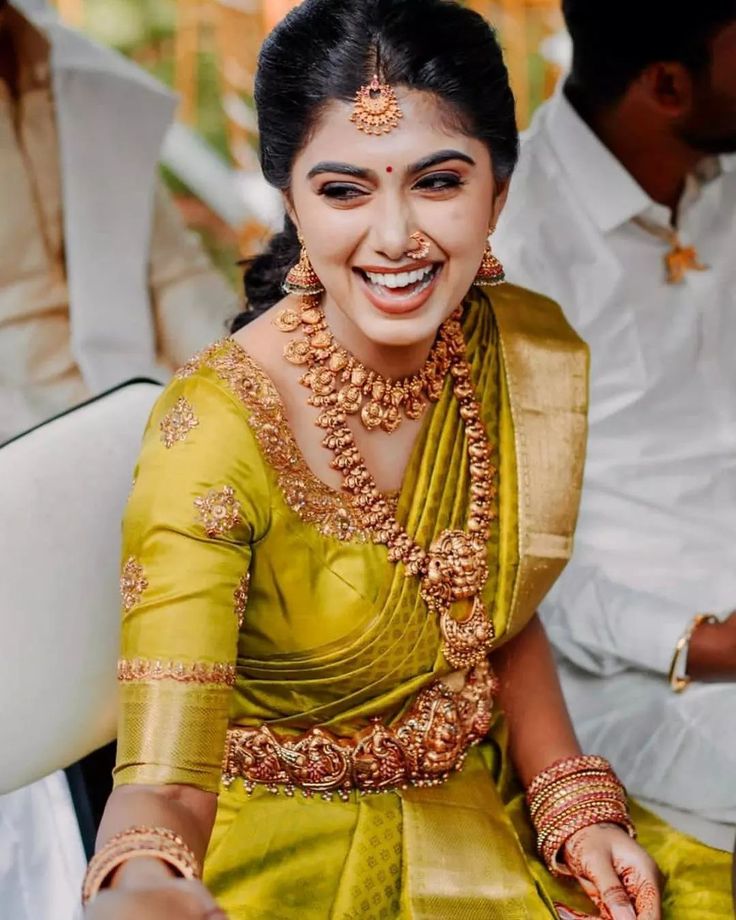
Choose sarees or ethnic sets that allow easy movement.
Carry small accessories.

5. For Weddings
Choose sarees or suits with clean patterns.
Use a clutch and simple jewellery.
6. For Travel
Choose leggings, tees, denim or relaxed dresses.
Carry supportive footwear.

Conclusion
Navigating women’s clothing becomes easy when you understand the purpose, place, time and activity behind each occasion. You do not need fancy or heavy outfits for every event. A simple, clear wardrobe with basic pieces helps you stay ready for work, travel, family functions, festivals and daily activities.
Choose clothing that supports comfort, movement and suitability. With the right approach, dressing becomes simple, stress-free and natural.


